





Greenland issues ‘strong warning’ as Trump-linked oil firm prepares to drill
Island’s government says no approval given after Greenland Energy brings kit ashore for exploratory drilling
Explore Greenland’s history and the connections linking Greenland, Denmark, and the United States.
For 225 years, the United States has enjoyed an unbroken diplomatic bond with Denmark, longer than with any other nation. This friendship has supported economic, cultural, and military partnerships through many decades.
After the attacks of September 11, 2001, Denmark was among the first allies to answer the call. Danish forces deployed to Afghanistan alongside Americans. The cost was steep; Denmark lost more soldiers per capita than any other NATO member.
Greenland has been part of the Kingdom of Denmark for centuries. This relationship has been recognized by US administrations, the United Nations, and international law for decades.
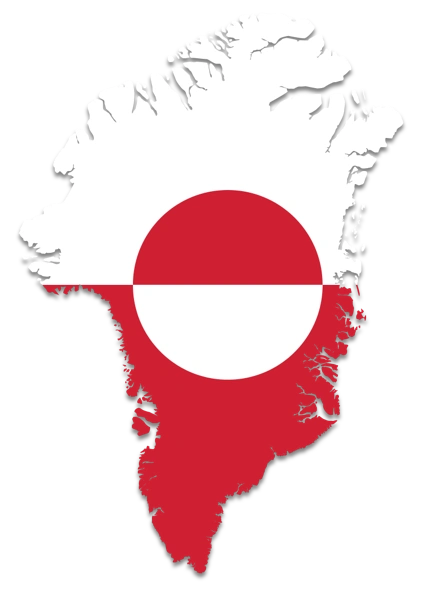
As a self-governing territory within the Kingdom of Denmark, Greenlanders hold the power to chart their own course.
For more than 80 years, Denmark, Greenland, and the United States have had a successful security partnership in the Arctic. This history of friendship offers a foundation on which to address security challenges in the Arctic as partners and allies.
Population: Approximately 57,000 people (2024)
Size: 836,330 square miles — roughly three times the size of Texas, or about the same as Mexico
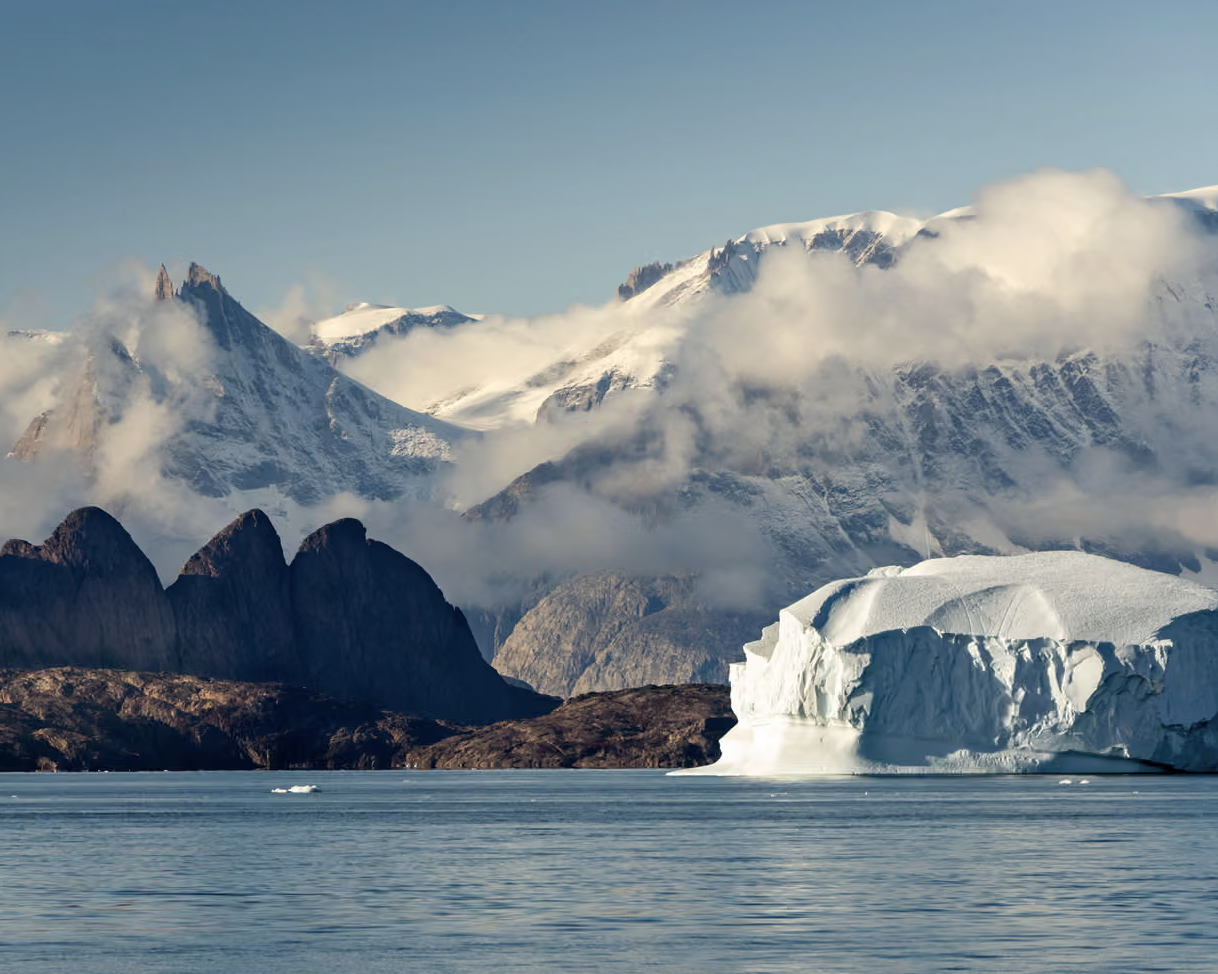
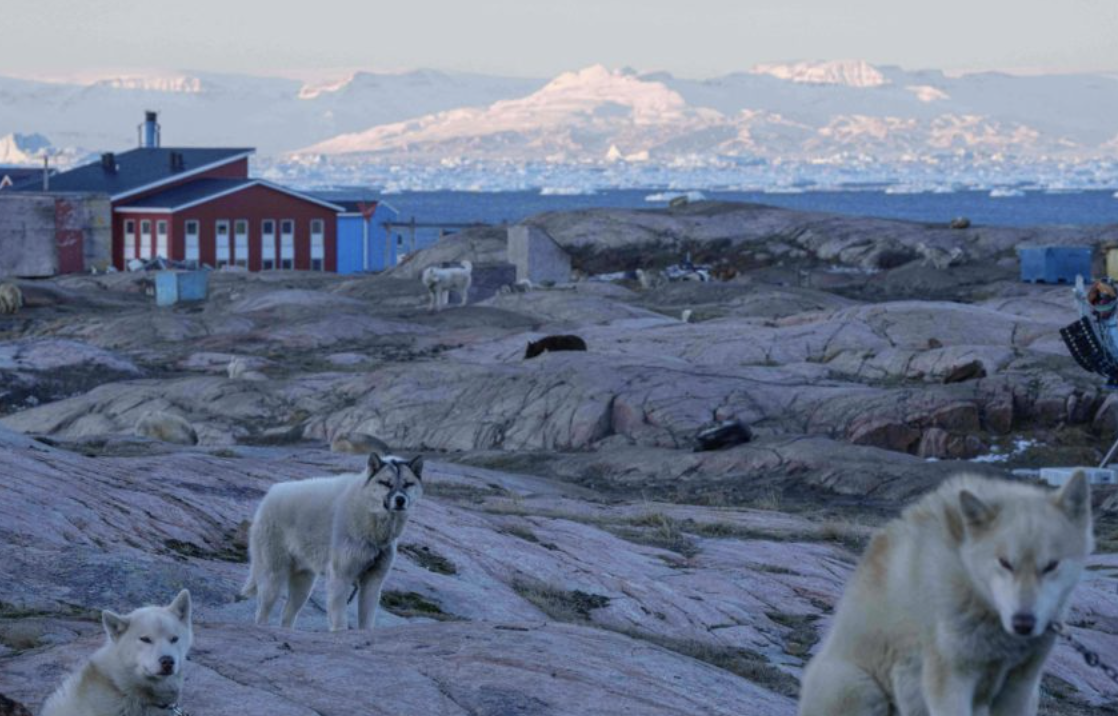
Geography: World’s largest island; 80% covered by ice sheet; located between the Arctic and Atlantic oceans
Capital: Nuuk (population approximately 19,000)
Main cities: Nuuk, Sisimiut, Ilulissat, Qaqortoq — most settlements accessible only by boat, helicopter, or plane
Languages: Kalaallisut (Greenlandic), Danish, English
Status: Autonomous territory (since 2009) within the Kingdom of Denmark
Economy: Fishing industry, tourism, mineral exploration; receives annual subsidy from Denmark
Island’s government says no approval given after Greenland Energy brings kit ashore for exploratory drilling
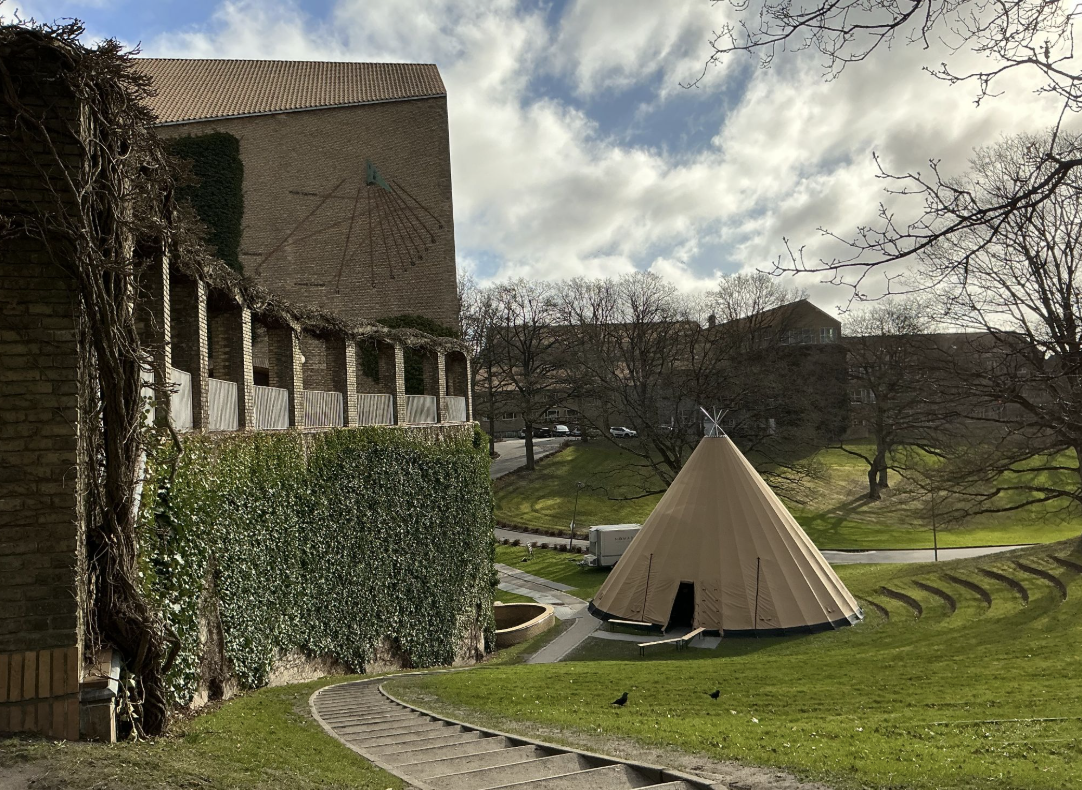
In their reflections from Arctic Science Summit Week 2026 in Aarhus, Denmark, Dr. Michelle Koutnik, Glaciology Research Faculty Member at the University of Washington College of the Environment, and Michalea King, Sr Research Scientist, share insights from one of the world's leading gatherings of Arctic researchers, Indigenous knowledge holders, policymakers, and students. Their story highlights the power of international collaboration in advancing Arctic science and addressing the environmental challenges shaping our shared future.
Dr. Michelle Koutnik is the program leader for the UW Exploration of the Greenland Ice Sheet Seminar funded by Scan Design Foundation.
Watch this conversation with Pulitzer Prize-winning journalist and global correspondent Jeffrey Gettleman on his experiences reporting in Greenland over the past year for The New York Times, including his on-the-ground impressions and insights into the complex dynamic between competing global interests.
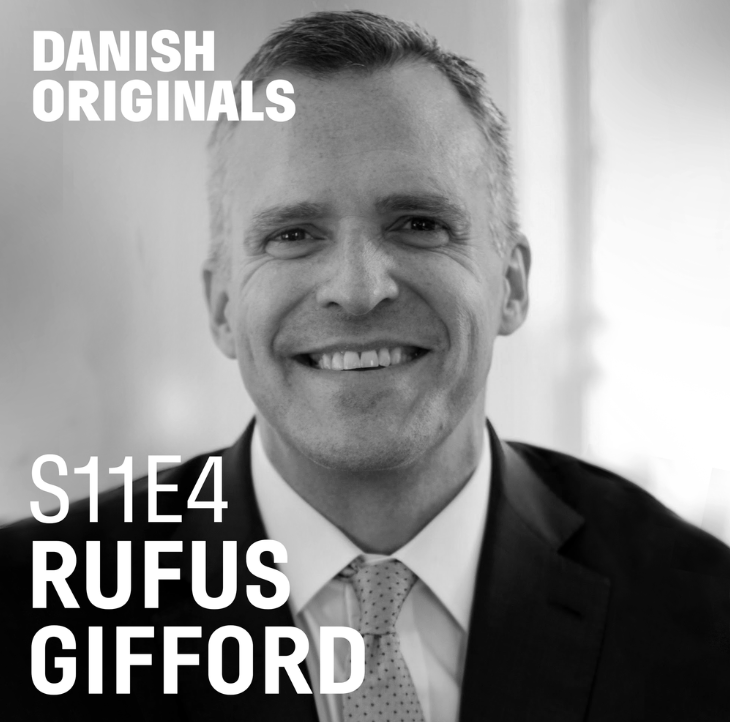
From his home in Concord, Massachusetts, New England-born former US Ambassador to Denmark RUFUS GIFFORD recalls his start in politics, his ongoing connection to Denmark, and his work under Barack Obama and Joe Biden. He describes the current problematic chapter in transatlantic relationships, exemplified by the tensions with Denmark and Greenland, US politics, and his passion to help elect a transformational US leader in 2028.
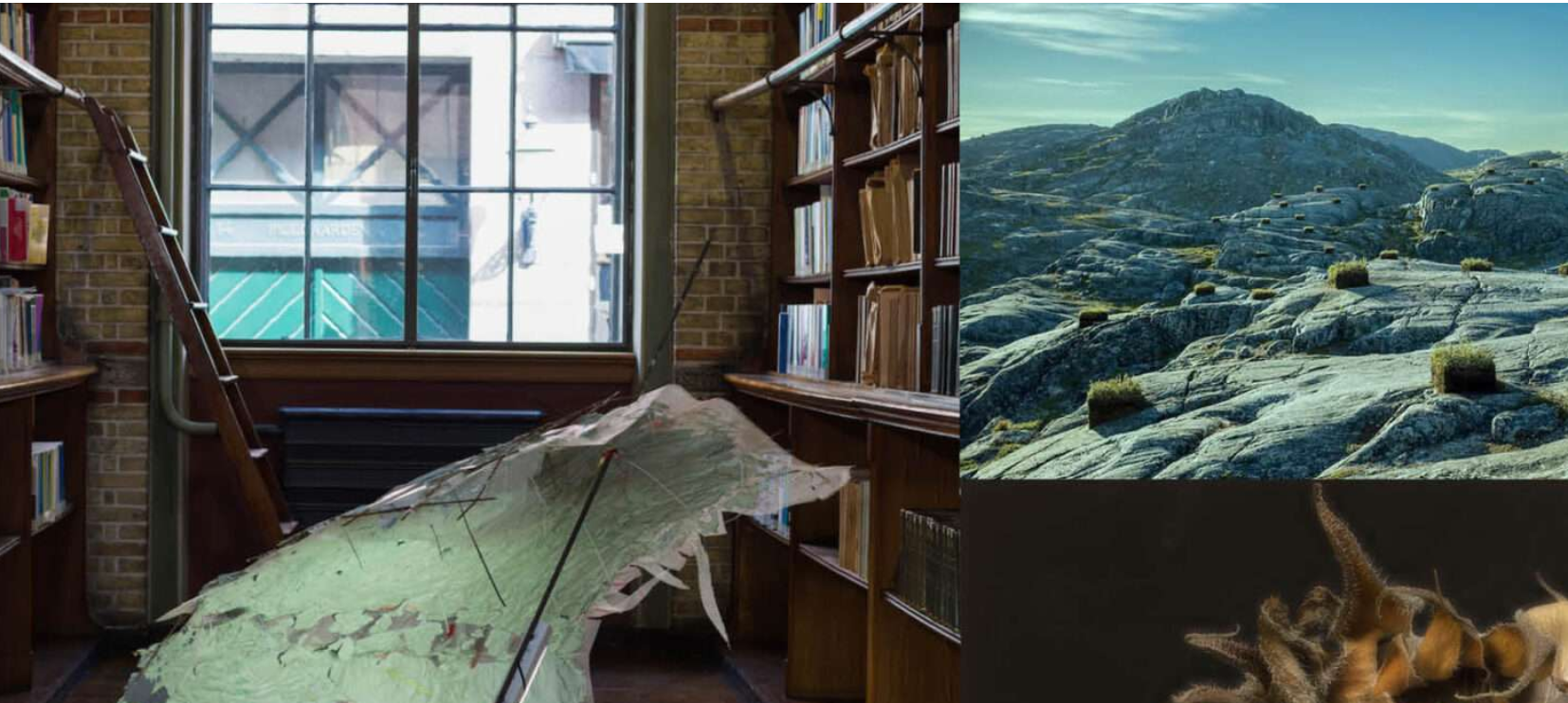
The American-Scandinavian Foundation has announced Inside Voices, Outside Light: Perspectives on West Nordic Art, opening at Scandinavia House: The Nordic Center in America on April 18, 2026. The exhibit features artists Inuk Silis Høegh, Lisbeth Karline Poulsen, and Inuuteq Storch.
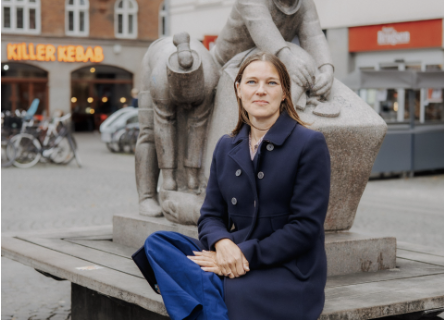
In this timely conversation, Martine Lind Krebs explores the complex colonial history between Denmark and Greenland through the story of the Greenland Monument in Copenhagen. Erected in the 1930s, when Greenland was still a Danish colony and Norway had annexed parts of Eastern Greenland, the monument remains standing in central Copenhagen, even as other colonial monuments have been removed or defaced.
Climate change is deeply affecting both the traditional Inuit lifestyle in Greenland — disrupting ice-dependent culture and mobility — and contributing to global environmental changes with consequences far beyond the Arctic.
Dr. Michelle Koutnik, a glaciology research faculty member at the University of Washington's College of the Environment, offers her perspective to help illuminate some of the interconnected and complex issues that go beyond media headlines.
Watch this video of Nauja Bianco's talk at the Nordic Innovation Summit held by the National Nordic Museum in 2025. Nauja Bianco is a Greenlandic expert in security and Nordic geopolitics.
A poll of Greenlanders conducted between January 16 and 28, 2026, found that 62% of respondents do not want to leave the Kingdom of Denmark and become independent now. Only 25% wish for independence now, and 13 % are undecided. When asked if it would be an advantage for Greenland to join the US, only 8% said yes while 76% said no.
The USA-DK Alliance is a network of US-based organizations who are united by a shared commitment to sustaining strong cross-cultural relations between the US and Denmark. Grounded in decades of mutual respect, the alliance promotes respectful dialogue and fact-based knowledge exchange, so we can stand together and strengthen our enduring bilateral bond.